

What's the Highest-Leverage Thing I Can Fix in My Business Right Now?
The highest-leverage fix is the one constraint that, once removed, makes everything downstream easier. Here's a 20-minute way to find it.

Evolvv Strategies
Operator notes
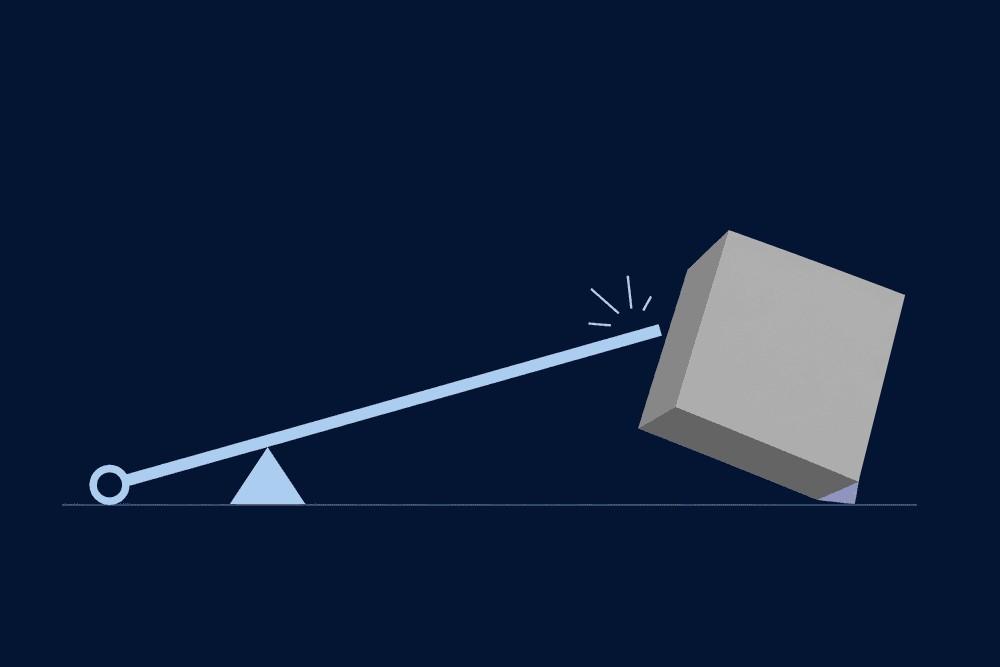
The highest-leverage fix is the single constraint that, once removed, makes everything after it easier — usually your weakest funnel stage, your most owner-dependent process, or an offer priced below its value. Find the one bottleneck that's capping the rest, fix that first, and ignore the other nine for now.
Most owners don't have a problem finding things to fix. They have a problem picking. The to-do list has forty items and every one of them feels urgent.
So they spread themselves across ten fixes, give each one a third of their attention, and feel no movement. Sound familiar? Let's fix the picking.
Why one fix beats ten
Your business is a chain: attention, leads, conversion, delivery, retention, referral. A chain is only as strong as its weakest link. Reinforcing the strong links does nothing — you just make a strong link stronger while the weak one keeps snapping.
The highest-leverage move is always the same shape: find the weakest link, fix it, find the new weakest link. Everything else is busywork wearing a productivity costume.
You don't have a hundred problems. You have one constraint and ninety-nine symptoms of it.
The 20-minute self-diagnosis
Set a timer. Be honest. Walk your business front to back and rate each stage 1 to 10:
- Attention. Do enough of the right people know you exist?
- Lead capture. Of the people who land on you, how many raise a hand?
- Conversion. Of the hands raised, how many become customers?
- Delivery. Does the work get done well without you doing all of it?
- Retention. Do customers come back, or is every month a fresh hunt?
- Referral. Do happy customers send you more, on purpose?
Your lowest score is your constraint. Not the one that annoys you most — the one with the lowest number. That's where the leverage lives.
Sort the fix by impact, not effort
Once you've named the constraint, you'll be tempted to start with the easy stuff. Resist. Rank candidate fixes on a simple two-by-two: impact (how much it moves the constraint) against effort (how hard it is to do).
The boring truth: the best first move is usually high-impact and medium-effort, not the quick win that changes nothing. A new logo is easy. It's also not your constraint.
A real number
When I ran my last company, we spent a quarter pouring money into the top of the funnel — more traffic, more ads, more noise. Revenue barely moved. The actual constraint was conversion: leads sat for two days before anyone called them back. We fixed speed-to-lead, called within an hour, and closed roughly 30% more of the exact same leads. Same traffic. The fix was downstream of where we'd been looking.
That's the lesson. The constraint is rarely where the noise is loudest.
Here's what I'd actually do this week
Run the 20-minute diagnosis. Circle the lowest score. Pick one high-impact fix for that stage and ship it before you touch anything else. One constraint, one fix, then re-measure. That's the whole game.
FAQ
How do I know which fix is actually the highest-leverage one?
Rate every stage of your business from attention to referral on a 1-to-10 scale. Your lowest-scoring stage is the constraint. The highest-leverage fix is whatever most improves that single stage, because every downstream stage depends on it working first.
Should I fix the easiest problem or the biggest one?
The biggest one, as long as it's your actual constraint. Easy fixes feel like progress but rarely move the needle. Rank options by impact on the constraint first, effort second. A medium-effort, high-impact fix beats three quick wins that change nothing.
What if several stages score low?
Pick the earliest one in the chain. Constraints cascade — a weak conversion stage often makes retention and referral look broken when they aren't. Fix the upstream link first, re-measure, and you'll often find the downstream scores quietly improve on their own.
How often should I re-run this diagnosis?
Once a quarter, or any time growth stalls. Constraints move. The moment you fix one link, a different one becomes your weakest. Treating it as a recurring habit keeps you working on the thing that matters instead of the thing that's loudest.
If you'd rather not guess, a free Growth Audit finds your constraint for you and tells you the first fix — or talk it through with our Business Strategy work.