
How Do I Know Which Marketing Is Actually Bringing in Customers?
Know which marketing works by asking every lead how they found you and logging it. Simple tracking beats fancy analytics for most small businesses.

Evolvv Strategies
Operator notes
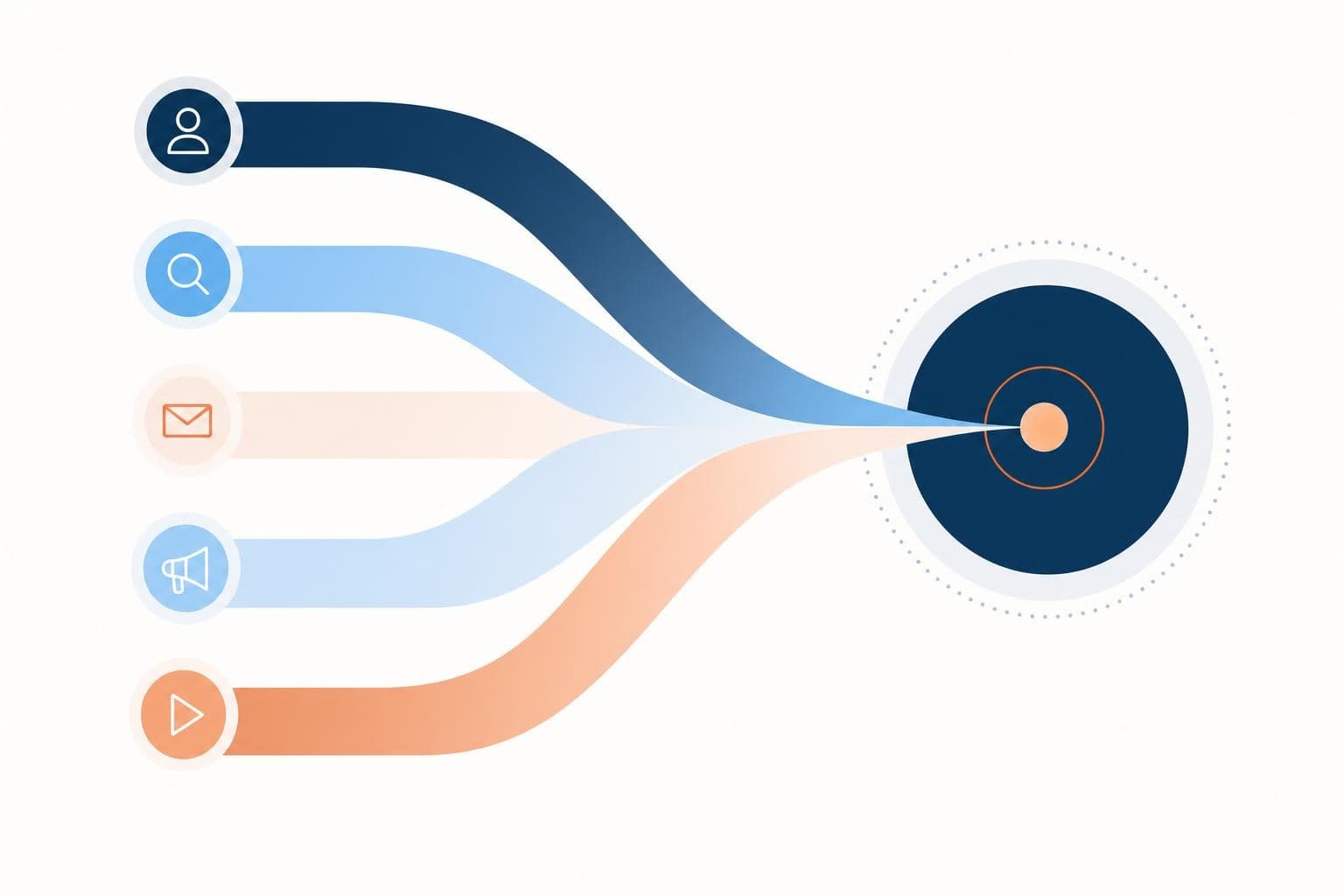
To know which marketing actually brings in customers, ask every new lead how they found you and write it down, then tie that source to real revenue — not just clicks. For most small businesses, a simple "how did you hear about us?" question plus a basic spreadsheet beats expensive analytics tools by a mile.
Most owners spend money across five channels and have no idea which one works. So they cut the wrong thing, keep paying for dead weight, and call it a wash.
You can fix that this week with a question and a spreadsheet. No data science required.
Why "I don't know what's working" costs you money
If you can't see which channel brings customers, you're flying blind. You'll keep funding the loud channel that feels busy while the quiet one that quietly closes deals gets starved. Half your budget is probably wasted — you just don't know which half.
The classic trap is mistaking activity for results. Lots of likes, lots of clicks, lots of traffic — and no way to tell if any of it became money. Vanity metrics feel good and tell you nothing about who actually paid you.
Half your marketing budget is probably wasted. The problem is you don't know which half — until you start asking.
When I ran my last company, we were convinced our paid ads were carrying us. Then we started asking customers how they found us. Nearly 40% said "a friend told me." We'd been about to cut the referral perks to fund more ads. Asking one question saved us from defunding our best channel.
The dead-simple tracking system
You don't need a tracking suite. You need a habit and a place to write things down. Here's the whole system.
- Ask every lead how they found you. On the form, on the call, at the counter. Make it a required field or a standard question. This single habit does most of the work.
- Log it in one place. A spreadsheet with date, source, and whether they bought. That's enough to see patterns within a month.
- Use unique tags per channel. A specific phone number, a unique discount code, or a link with a tag tells you the source automatically when the customer doesn't.
- Tie sources to revenue, not clicks. Track which sources produce paying customers and how much they spend — not just who clicked. Clicks lie; revenue doesn't.
- Review monthly and reallocate. Once a month, look at the sheet, kill what's not producing, and feed what is.
That's it. The businesses that do this consistently out-earn the ones with fancy dashboards they never read.
Beware last-click thinking
One trap worth naming: the channel that gets credit isn't always the one that did the work. Someone might discover you on a podcast, follow you for months, then finally Google your name and click an ad. The ad gets the credit. The podcast did the selling.
This is why the "how did you hear about us?" question matters more than tracking software — it captures the human story the software misses. When someone says "I've been seeing your stuff for a while and finally called," that tells you the slow channel is working even if it never gets the last click.
You don't need perfect attribution. You need directionally right answers you'll actually act on. Roughly right and used beats precisely measured and ignored.
Quick wins you can try this week
- Add a required "How did you hear about us?" field to your contact form today.
- Start one spreadsheet: date, source, did they buy, how much.
- Give each channel a unique discount code or tracked link so the source is obvious.
- Train whoever answers the phone to ask and log the source every time.
- Book a 30-minute monthly review to cut dead channels and fund winners.
FAQ
Do I need expensive analytics software to track leads?
No. For most small businesses, a "how did you hear about us?" question plus a simple spreadsheet outperforms pricey tools you won't maintain. Free analytics can supplement it for website traffic, but the human answer captures referrals and word-of-mouth that software misses entirely. Start simple and add tools only when you've outgrown the basics.
What if customers don't remember how they found me?
Some won't, and that's fine — you're after patterns, not perfection. Offer a few prompts ("online search, a friend, social media?") to jog memory. Unique discount codes and tracked phone numbers fill the gaps by tagging the source automatically. Even 70% accurate data is enough to make smart budget decisions.
How long before I have enough data to decide?
About one to three months for most small businesses, depending on lead volume. You need enough leads per channel to see a real pattern, not a fluke. Resist cutting a channel after a slow week — look at the monthly trend, especially for slower-burn channels like content and referrals.
Should I track clicks or sales?
Sales, always. Clicks and traffic feel productive but don't pay the bills — a channel with few clicks that closes high-value customers beats a channel with floods of clicks that buy nothing. Tie every source back to actual revenue so you fund what makes money, not what makes noise.
Want a clear read on which of your channels is actually producing customers? A free Growth Audit shows you — or explore our services to build tracking that sticks.