

Why Do My Leads Go Cold — and How Do I Fix It?
Leads go cold from slow response, weak follow-up, and unclear next steps. Here's why your leads go cold and the system that keeps them warm.

Evolvv Strategies
Operator notes
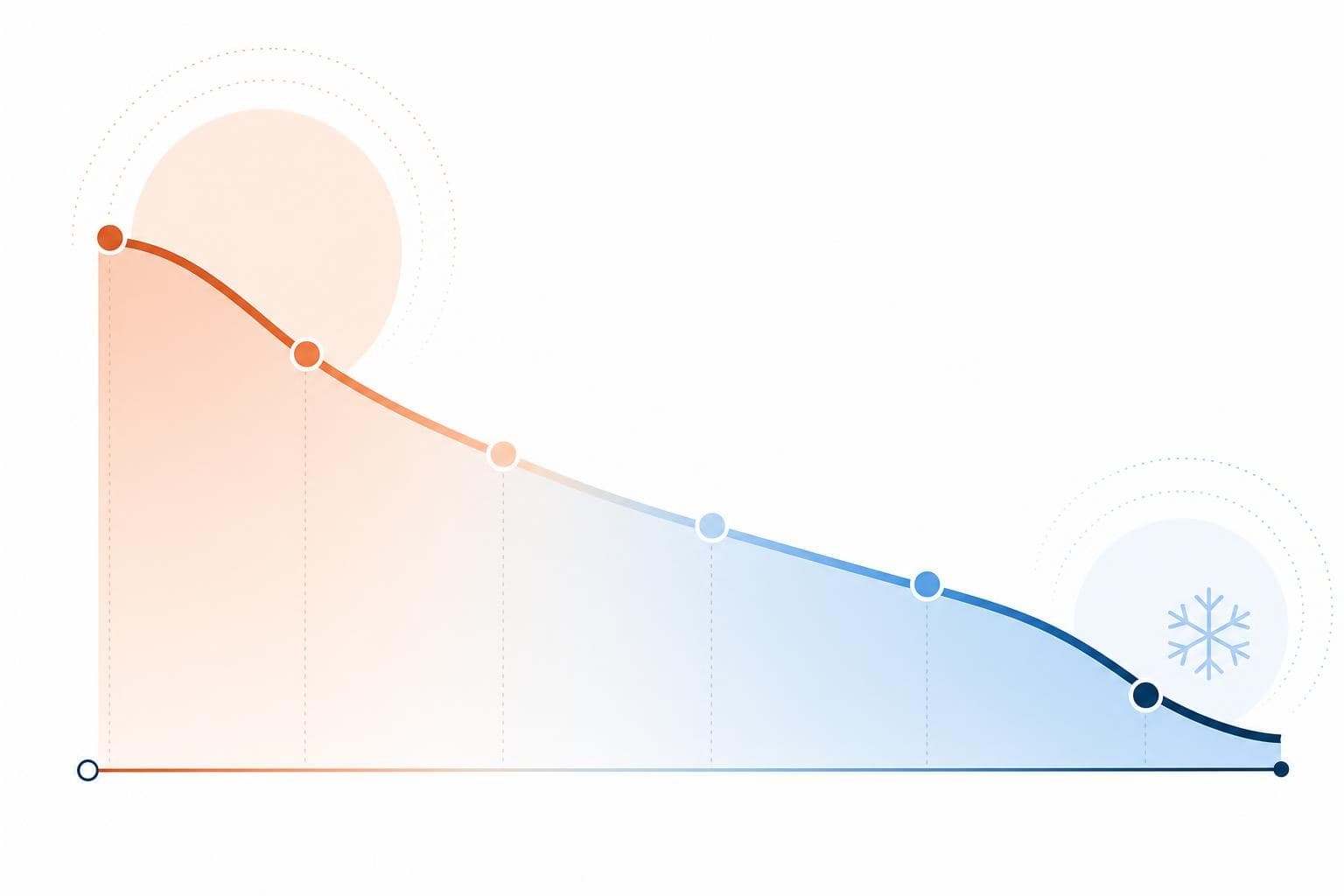
Leads go cold for three main reasons: you respond too slowly, your follow-up is weak or stops too soon, and the next step isn't clear. Interest has a short shelf life. Fix speed, persistence, and clarity, and most "dead" leads turn out to be very much alive.
Every owner has felt it. A lead comes in hot, excited, ready to talk — then a week later, silence. It feels like rejection.
It usually isn't. A cold lead is almost always a warm lead you let cool, not a buyer who changed their mind.
Cold is a temperature, not a verdict
When someone reaches out, they're at peak interest. They've decided to do something about their problem and picked you to ask. That window of high intent is short — often hours, not days.
Every hour you don't respond, that heat fades. They get busy, doubt creeps in, a competitor replies faster. By the time you follow up three days later, the moment has passed. The lead didn't reject you. You missed the window.
You don't lose leads because they say no. You lose them in the silence before you ever speak.
The three things that cool leads down
Almost every cold lead traces back to one of three failures. Find yours and you fix most of the problem.
Slow response. The single biggest killer. Studies have shown that contacting a lead within five minutes versus thirty minutes can multiply your odds of connecting many times over. Most businesses take hours or days.
Weak follow-up. One email and a shrug isn't follow-up. Most deals need several touches, yet most owners send one or two and quit, assuming silence means no.
Unclear next step. If the lead doesn't know exactly what happens next — book here, reply with X, expect a call at this time — confusion becomes inaction, and inaction becomes cold.
The system that keeps leads warm
Keeping leads warm isn't about charisma. It's about a system that runs whether you feel like it or not. Here's the one I'd put in place first:
- Respond within an hour, every time. Set an alert for new leads. Even a quick "got your message, here's what's next" holds the heat.
- Give one clear next step. Tell them exactly what to do — a booking link, a direct question, or when you'll call.
- Run a real follow-up sequence. Plan five to seven helpful touches over two weeks, not one hopeful email.
- Add value at each touch. Useful info, relevant examples, honest answers — so following up never feels like nagging.
- Track every lead in one place. A simple CRM so nobody falls through the cracks because you got busy.
When I ran my last company, we audited why leads died and found most weren't "bad" — they'd just waited two days for a reply. We cut response time to under an hour and closed roughly 30% more of the exact same leads. We didn't get better leads. We stopped wasting the ones we had.
Speed isn't a nice-to-have. It's the difference between a customer and a "what happened to that lead?"
Where to look first in 2026
Start with your response time, because it's the cheapest and highest-impact fix. Time how long it actually takes you to reply to a new lead this week — owners are usually shocked it's measured in hours, not minutes.
If you can't always reply fast yourself, this is where automation earns its keep. An instant auto-reply, an AI chatbot that captures details after hours, or a simple alert system can hold the heat until you can pick it up personally. See our services for how we build that, or how we work.
Quick wins you can try this week
- Time how long you actually take to reply to a new lead — measure it, don't guess.
- Set an instant alert or auto-reply so no lead waits more than an hour.
- Add one crystal-clear next step (a booking link or direct question) to every reply.
- Write a five-touch follow-up sequence and actually use it on your next lead.
- Put all your open leads in one simple tracker so none get forgotten.
FAQ
How fast should I respond to a new lead?
Within an hour at the absolute latest, and within five minutes if you can. Lead interest peaks the moment they reach out and fades fast. Responding in minutes rather than hours can multiply your odds of actually connecting, so speed is the highest-leverage fix you have.
How many times should I follow up before giving up?
Plan for five to seven touches over about two weeks. Most owners quit after one or two and leave money on the table. As long as each message adds value, persistence reads as professional, not pushy, and recovers leads that looked dead.
Does a slow website cause leads to go cold?
It can, in two ways: a slow or confusing site loses people before they ever become a lead, and an unclear next step on the page stalls the ones who do reach out. Make the action obvious and the page fast, and you keep more leads warm from the first click.
Can automation keep my leads warm for me?
Partly. Automation handles the timing — instant replies, alerts, and reminders so no lead waits or gets forgotten. It can't replace the human conversation that closes the deal, but it buys you the speed and consistency that most cold leads were missing.
Not sure where your leads are slipping away? A free Growth Audit traces your lead flow and tells you the one fix that'll warm them back up.